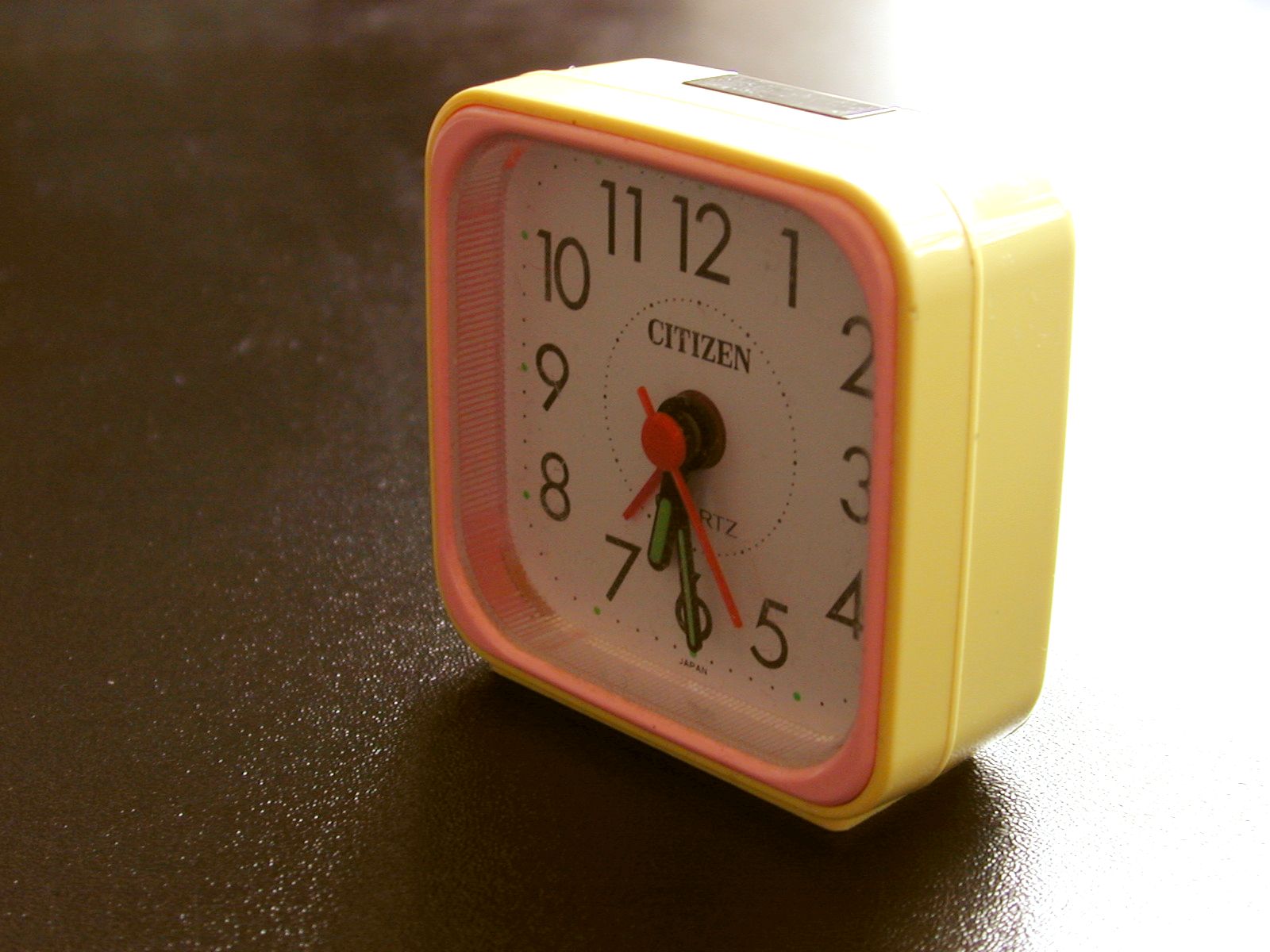
Having difficulty to get a good night sleep? Spending several hours without sleep?
Improve sleep with good sleep habits. Lack of sleep can result in stress, lack of concentration, moodiness, memory loss, lower motivation and fatigue. It is important to get a good night sleep otherwise it may lead to different sleep disorders.
Here are 101 ways to get good night’s sleep for those who experience difficulty in getting sleep.
Sleep Routine:
- Maintain regular bedtime routine. Try to go to bed at the same time and get up in the morning at the same time. Keeping a regular schedule helps the body expect sleep at the same time every day.
- Maintain the sleep schedule even on weekends and holidays. Following the sleep schedule even on weekends does not disturb the internal clock of the body and helps to maintain circadian rhythm.
Get more information on circadian rhythm from http://www.talkaboutsleep.com
- Regardless of how much sleep you had the before night, get up the same time in the morning. If the amount of sleep is reduced due to some reasons, don’t oversleep to make up for a poor night’s sleep.
- Make sleep a priority and set aside adequate time to sleep. Don’t feel guilty about going to bed. Think sleep as the investment for health and productivity.
- Keep a sleep diary and write about the wake up, nap and sleep timings of that day before going to sleep regularly. It is a good means to know about the sleep habits and patterns.
- If feeling of tiredness leads to sleepiness during the evening, try to resist going to bed early than usual time.
Sleep Environment:
- The bedroom should not be too hot or too cold. High temperatures can lead to disturbances in the quality of sleep. The optimum temperature is 60 to 65 degrees Fahrenheit. If the room is too cold, use humidifier or warm blankets.
- The bed should not be too small or too hard. The bed should be large enough to sleep and convenient to turn or move to either sides. Switch to king sized bed.
- Make sure that bed and pillows are comfortable for correct sleep. A firm bed will give entire body support and relax. Keep extra pillows to sleep on side.
- Replace the mattresses for every eight to ten years. Old mattresses may cause allergies and back problems which interrupt with sleep.
- Test different types of mattresses. Make sure that the mattress does not sag as it can lead to inadequate spinal support. Inadequate spinal support leads to back pain and prevents from falling asleep.
- Remove any distractions from the bedroom. The room should be comfortable and neat.
- Bedroom surroundings should be quiet and calm. There should not be any disturbance from outside noises. Use white noise machine or fan to block outside noise. If the noise is disturbing still, use double-pane windows or heavy curtains to block the noise.
- The bedroom should be well ventilated. Keep bedroom windows open to get fresh air. Hot stuffy air blocks nose and leads to dry throat, cough or headache.
- The light in the bedroom should be dim. The light may disturb sleep as it falls directly on the eyes. If lights from surrounding are disturbing, use curtains for the windows to block the light.
- The bedroom should be used for only sleep and sex.
- Don’t discuss about the bills or problems or watch television in the bedroom.
- Remove illuminated digital clocks from the bedroom. Focus on the clock and time results in anxiety and stress and disturbs the sleep.
- Don’t use too many or too few blankets. Use them depending on the temperature of the room.
Get more information on sleep environment from http://www.sleepfoundation.org
Sleep Aids:
- Take warm bath before going to bed. It is a great way to relax the body. Don’t use too hot water as it may worsen the situation. Use bath salts such as Epsom salt or baking soda which will relax the body and help in removing toxins from the body.
- Some people may not like taking warm bath; they can soak their feet in warm water for fifteen to twenty minutes before going to bed. Apply oil and massage each foot before going to sleep.
- Use herbs in bedroom for relaxing. Use lavender oil in the bedroom an hour before bedtime. Place few drops of lavender oil on the pillow as it relaxes the mind and body.
- Use the mood tracker to identify whether foods, beverages, certain activities or other substances have a negative impact on the ability to sleep. Mood tracker tells about the good things that promote sleep. Using mood trackers, the causes for sleep problems can be identified.
- Drinking warm milk before going to bed helps in soothing the nervous system. As milk contains calcium, it works on the nervous system and makes the body relax.
- Try a cup of herbal tea, as herbs contain all natural ingredients. Some of the herbs are catnip, fennel, and chamomile. These herbs will soothe and help in getting a good night sleep.
- Bananas practically work as a sleeping pill. Bananas contain melatonin, serotonin and magnesium, a muscle relaxant.
- Melatonin is a hormone secreted by the pineal gland in the brain which controls the body’s circadian rhythm. Darkness stimulates the release of melatonin and light suppresses its activity. If production of melatonin at night decreases, it results in lack of sleep. Try melatonin, a hormone which is used to promote and improve sleep. But don’t use it frequently.
- Take oatmeal as they are a rich source of sleep induced melatonin.
- Ear plugs helps in blocking the disruptive noises that interferes with sleep, if surrounding noise is disturbing.
- Sleep masks block the light and provide complete darkness to sleep, if light is disturbing the sleep.
Relaxation Techniques:
- Massage is a great way to relax tensed and tired muscles. Take help of bed partner to massage the body before going to bed. It can be a simple massage which involves massaging neck, foot and hands.
- Deep breathing helps in relaxing muscle tension, lowers heart rate and helps to sleep faster. Do this exercise in the bedroom before going to sleep.
- Meditation helps in clearing all the thoughts in mind. Concentrate on any object and clear the thoughts from the mind. Meditating before going to bed relieves from all tensions and helps in getting a peaceful sleep.
- Use color therapy or chromatherapy to promote general health and to treat physical and emotional sleep disturbances. Use colors in the bedroom which has soothing, calming and relaxing effect.
- Listen to music. Music is the best way to relax mind and body. Listen to soft and light music which helps to relax the mind.
Get more information on relaxation techniques from http://www.umm.edu
Pre-sleep Rituals:
- Avoid drinking alcohol before going to bed. Alcohol can disrupt the sleep leading to poor quality of sleep.
- Avoid caffeine before going to bed. Caffeine makes mind and body active and keeps awake.
- Avoid colas, chocolates, cookies, cakes and other stimulants as they interrupt with quality of sleep.
- Stop smoking as it releases adrenaline in the body and is a stimulant. It interrupts with quality of sleep.
- Do not exercise before bedtime. As it stimulates the body, exercising before bedtime makes difficult to fall asleep.
- Do not watch television or movies before bedtime or in the bedroom. It disturbs the sleep and makes it difficult to sleep.
- Don’t take too much fluid two hours before going to bed. It may lead to urination frequently and the sleep will be disturbed.
- Urinate before going to bed to prevent getting up in the middle of the night.
- Avoid heavy meals before bed time. Heavy meals may make lying down feel uncomfortable. Heavy meals can cause indigestion and interfere with sleep.
- Have dinner at least two hours before the bedtime.
- Have light snacks before bedtime to avoid hunger during the sleep.
- Carbohydrates such as muffins, cereal, bread, and yogurt help fall asleep.
- Eat a high protein snack several hours before bed, as it provides L-tryptophan which helps in producing serotonin and melatonin.
- Include fresh fruits and vegetables in diet, as it promotes health and good sleep.
- Don’t consume fats, as fat takes several hours to digest. Consume low fat foods before going to sleep.
- Vitamin B3, vitamin B12 and folic acid seem to improve sleep.
- Don’t argue or fight with family members or friends before going to bed.
- Wear comfortable and loose clothing. Tight fitting clothes do not allow moving freely in the bed.
- Due to the fact that the feet have the poorest circulation, they often feel cold before the rest of the body. Wear socks before going to bed in winter but not in summer.
- Sleeping with pet may cause allergies and interfere with night sleep.
- Keep a glass of water near the bed so that there is no need to get up during night if thirsty.
- Sex with partner before bedtime help in getting good night sleep.
- Stop doing office works or house hold activities an hour before bedtime to calm mental activity and to avoid stress.
- Avoid making phone calls or attending phone calls after going to bed.
- Maintain good body hygiene otherwise untidy and unhygienic body may irritate and interfere with nighttime sleep.
- Smell of foods or cigarette smoke can interfere with the quality of sleep. Remove the foods which are smelly and avoid smoking in the bedroom.
- Reduce weight, as overweight can cause inconvenience in breathing and prevents a good night sleep.
Daytime Habits:
- Don’t nap during daytime if there is trouble sleeping during night. Napping during daytime disturbs the body clock and it makes even more difficult to sleep at night.
- Exercise regularly for half an hour regularly. Exercise in the late afternoon or in the morning. Exercise increases the body temperatures and has an arousing effect. Therefore body gets exhausted and helps to sleep and increases quality of sleep if it is done three to four hours before bedtime.
- Get exposed to sunlight during daytime especially in the afternoon.
- Drink eight to ten glasses of water, as dehydration of body leads to chronic fatigue.
- Check iron deficiency, as iron deficiency tends to have problem with sleeping. Take sufficient iron to improve sleep.
Sleep Tips:
- Don’t lie in bed for prolonged periods in the morning as that may lead to lethargy.
- Don’t spend too much time if unable to sleep. Get up from the bed, leave the bedroom and try to engage in other activities like reading a book or novel, if there is difficulty in getting sleep for half an hour to one hour.
- Don’t think about the problems and worries before going to bed as they disturb sleep.
- Write down all the worries and problems on the paper if they are disturbing night sleep. And go to bed with peaceful state of mind.
- Try to visualize and concentrate on any thing which makes the mind free from worries if the concentration can be on that object.
- Sleep on back as it allows all the internal organs to rest properly and it is the best position for relaxing.
- Don’t sleep on stomach as it causes pressure on all internal organs including lungs which results in shallow breathing.
- Lie back and rub the stomach as it soothes the digestive system and helps in improving the function of digestive system and promotes good sleep.
- If the bed partner snores, sleep in a separate room or use ear plugs.
- Don’t suffer with pain. If pain is keeping away from sleeping, consult the doctor to reduce the pain.
- For a restful sleep, put a pillow under the knees to relieve lower back pressure.
- Stop the habit of watching the clock, counting the hours and remembering the hours as it leads to lack of sleep.
- Avoid thriller, murder and suspense books and movies as they are stimulating and activate the brain.
- Avoid doing mental arithmetic as it keeps the brain thinking and disturbing the sleep.
- If sleepless nights or insomnia are consistent, change the sleep timings and consider going to bed later.
- Always try to sleep at the same place regularly as the change of sleeping place may interfere with sleep.
- Close the eyes and roll it upwards three times. This happens naturally when falling asleep and evidently triggers some sleep chemicals in the body.
- To get a better sleep without the use of drugs, use light therapy. Light therapy consists of exposure to light for prescribed amount of time. It is used to promote normal sleep wake cycle and decreases sleep disturbances.
Consult the Doctor:
- Consult the doctor before using sleeping pills or over-the-counter medications.
Get more information on sleeping pills and medications from http://www.helpguide.org
- Don’t rely on sleeping pills everyday as they are addictive. Keep one pill beside the bed for emergency with doctor’s advice.
- Make sure the sleeping pills won’t interact with other medications or with other medical condition.
- If stress is the problem for a good night sleep, seek counseling and manage stress.
- Don’t neglect depression as depression leads to lack of sleep. Take help of family members and consult the doctor.
- If sleeping problem continues, consult a doctor to find out whether the sleep problem is due to any sleep disorder.
Ways to Overcome Other Sleep Disorders:
- Sleep apnea is a sleep disorder which causes cessation of breathing during sleep. Sleep apnea should be treated by keeping the nasal passages open at night using nasal masks. Avoid alcohol, tobacco and other sedatives and lose weight. Surgery is one of the options to treat sleep apnea.
- If restless legs syndrome (RLS) is the cause for the interruption of good night sleep due to the uncomfortable sensations in the legs like crawling or creeping, walk or stretch at the beginning and end of the day, massage the calf and legs regularly when legs feel uncomfortable. Life style changes and medication are important to prevent RLS.
- If circadian rhythm disorder is the cause for interruption of good night sleep due to the disturbance of body’s circadian rhythm, the disorder should be treated with bright light therapy, chronotherapy and melatonin to get a good night sleep.
- If parasomnias are the causes for the interruption of good night sleep with intense and infrequent acts, it is necessary to take the treatment with behavior modification, prescription drugs, or hypnosis.
- If periodic limb movement disorder is the cause for the poor sleep due to the severe limb movements, it is necessary to take the medications such as dopamine agents, anticonvulsant medications, and benzodiazepines with the doctor’s prescription to get a good night sleep.
- If night sweats is the cause for the poor night sleep due to the excessive sweating during night; avoid caffeine, spicy foods, alcohol, and saturated fats. Keep extra clothing by the side of the bed to avoid inconvenience and disturbance at the night, as the clothing due to night sweats become wet.
- If fibromyalgia is the cause for poor night sleep due to the pain in the neck, shoulders, back and hands, it should be treated with medications, exercises that stretch muscles, massaging and heat applied to sore muscles.
- If epilepsy is the cause for the interruption of good night sleep due to epileptic seizures, it should be treated with medications, epilepsy surgery, vagus nerve stimulation, special diet and alternative or complementary medicines.
- GERD or gastro esophageal reflux disease cause persistent heart burn and severity of GERD can be experienced while sleeping or at night. Avoid spicy or acidic foods which cause heartburn or indigestion during nighttime to get a good night sleep.
- If chronic illnesses such as diabetes, arthritis, kidney disease, multiple schlerosis and lupus are the causes for poor night sleep, they should be treated and controlled with the help of exercise, diet, and medications. Following a healthy lifestyle is also important for the treatment of chronic illness to get a good night sleep.
via SleepDisordersGuide